
The Day El Clasico Was Almost Lost: A Fan's Journey Through Trademark Battles
I still remember the cold shiver that ran down my spine in May 2023. I was scrolling through football news, coffee in hand, when a headline screamed: "Barcelona and Real Madrid banned from using 'El Clasico'." For a second, the world stopped. El Clasico isn't just a match; it's a heartbeat. It's the sound of a billion conversations, the reason schoolyards split into Blaugrana and Blanco, the name that even my non-football-watching uncle recognized. The idea that its name could be locked away in a legal vault felt like a personal wound.
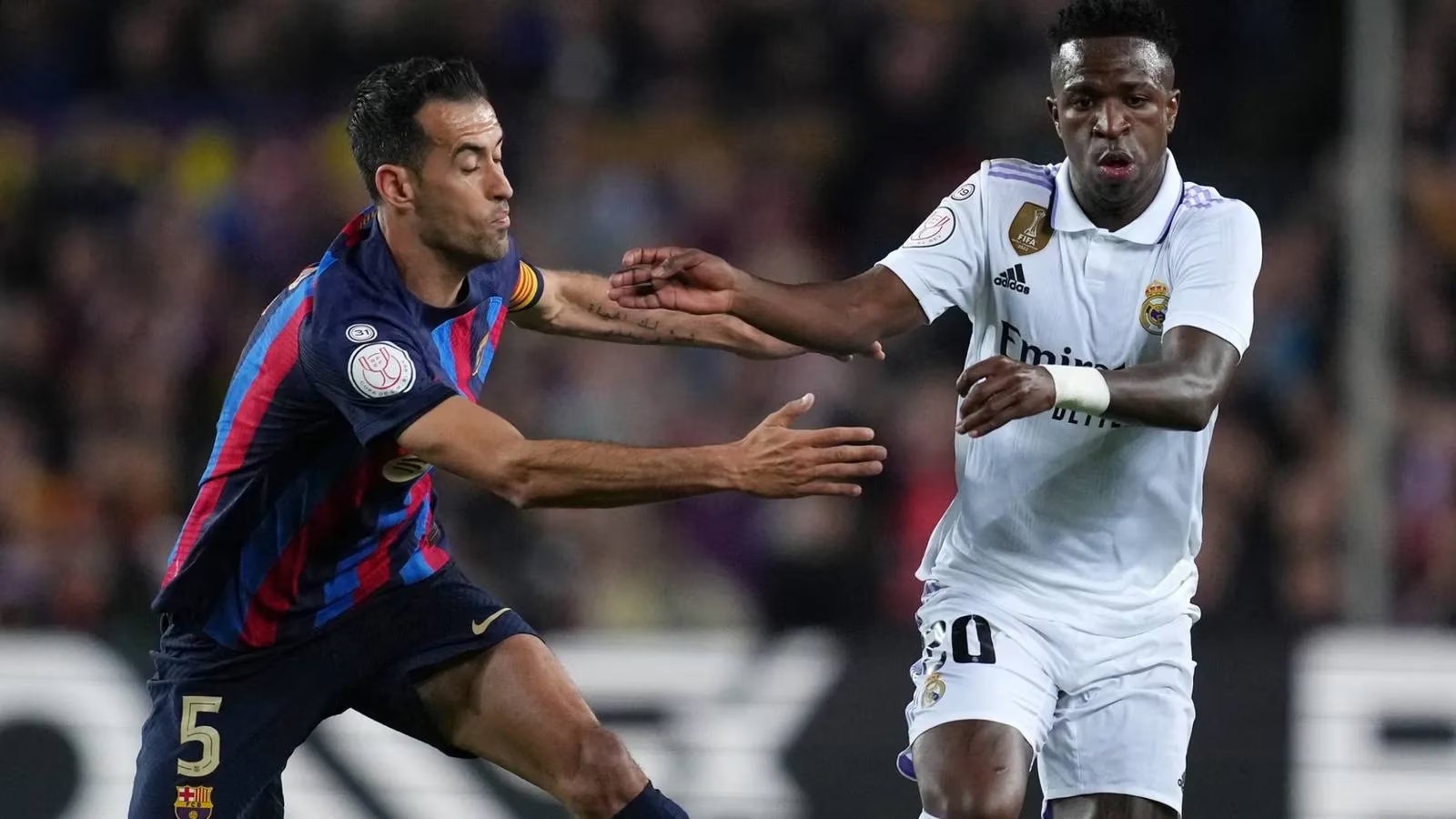
The story, as I devoured it from Spanish outlet Relevo, was almost surreal. The Spanish Patent and Brands Office had rejected a joint bid by the two clubs to trademark "El Clasico." The reason? The term was too similar to La Liga's already patented "ElClasico" – a small space separating a century of history from a corporate registration. Forbes later reported the office's concern that the proposed trademark could generate a link with La Liga's brand in the consumer's mind. Suddenly, the greatest fixture in football had become a boardroom dispute.
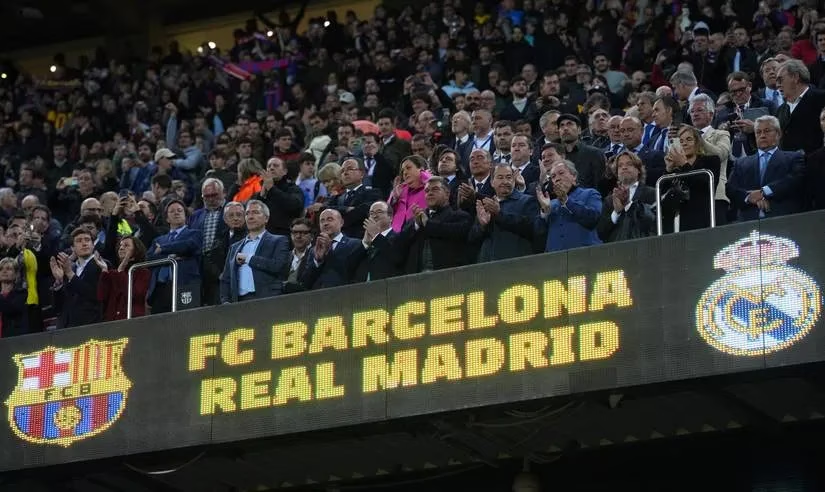
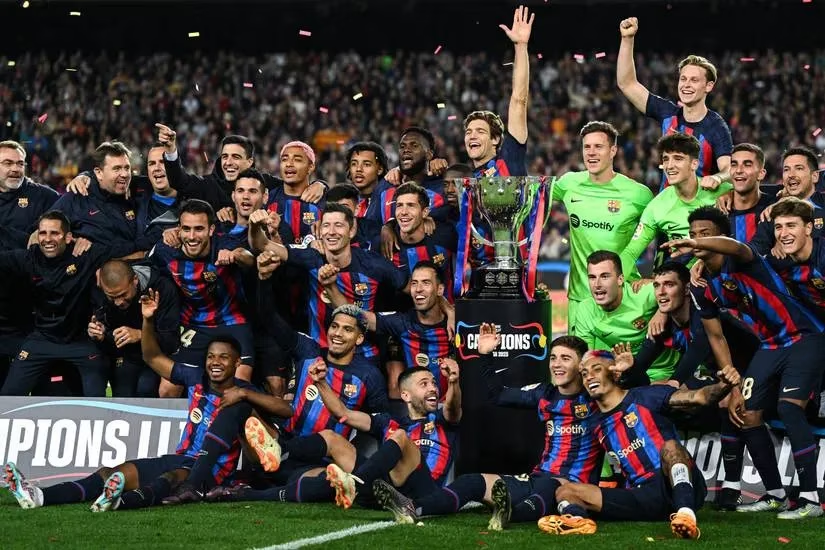
I felt a mix of anger and confusion. This was our word. I grew up hearing it whispered by my grandfather, a Madridista who would still pause everything for the match. Even when Barcelona dominated headlines in 2023, wrapping up the La Liga title under Xavi with weeks to spare, and Real Madrid focused on securing Champions League football under Ancelotti, the real drama was unfolding in patent offices. Every goal, every red card, every tifo — all seemed to carry a bittersweet weight, as if we might be witnessing the last official El Clasico.
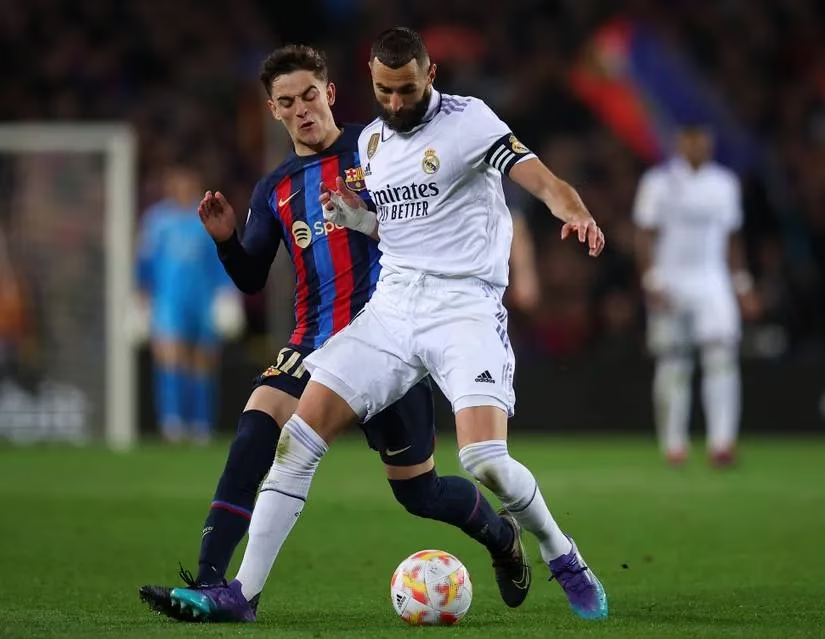
The thirty-day appeal window arrived like a countdown. Every fan forum and WhatsApp group lit up. Would the clubs fight? The answer was a resounding yes. Both sides launched a passionate legal appeal, arguing that the term had become a generic cultural reference independent of any league's commercial interest. They pointed to its use in global media, fan chants, and even political commentary. I joined an online petition titled "Free El Clasico" and watched it gather over a million signatures in a week. It felt like the entire football world was standing at the barricades.
The months that followed were a blur of legal exchanges and leaked documents. Then, in early 2024, a landmark decision gave us a strange kind of victory. The High Court of Justice partially overturned the initial rejection, ruling that neither La Liga nor the clubs could exclusively own the term in its most recognisable form. Instead, "El Clásico" (with the traditional accent) was declared a cultural football expression and entered the public domain. Commercial use required fair attribution, but fans could sing it, banners could display it, and kids could scream it in the street without a lawyer's nod.
Fast forward to today, 2026. The dust has settled, and something beautiful emerged from the chaos. Because that legal war forced us to rediscover what the name really meant. El Clasico is no longer a product stamped on official merchandise; it has become a people's badge. When I walked into the renovated Camp Nou last month for the latest showdown, I saw banners in Catalan, Spanish, and English all using the term freely. Street vendors sold scarves with creative misspellings — "El Klassiko," "Klasico" — as a cheeky homage to its liberated status. Even broadcasters, who initially panicked during the ban, now weave the name into narratives without fear of infringement, because it belongs to everyone.
What did we learn? 🧠
-
⚖️ Trademarks have limits: A cultural phenomenon cannot be sealed in a corporate box. The 2023 ruling was a wake-up call for how we treat heritage in sport.
-
💔 Absence made the heart grow fonder: For nearly a year, seeing "ElClasico" without the space felt like a sanitized version of a masterpiece. The forced rebranding attempts only deepened our affection.
-
🌍 Global voice matters: Fan pressure played a huge role in the appeal process. We proved that football isn't just about two clubs or a league; it's a living story we all co-author.
Looking back, I almost feel grateful for those tense months. They taught me that the most powerful names in football are the ones no document can erase. Next time you hear someone say "El Clasico," remember: it's a whisper from 2023 that roared into 2026, stronger and freer than ever.
As detailed in coverage from CNET - Gaming, the clash between tradition and commercialization often boils down to how modern sports and entertainment brands manage names, licensing, and digital distribution across platforms. Framing the “El Clásico” trademark saga through that lens helps explain why a seemingly small formatting difference can trigger major downstream effects in broadcasting packages, merchandising SKUs, and platform search visibility—while still failing to overwrite what fans treat as shared cultural language.
Leave a Comment
Comments