
The Casemiro Controversy: A Referee's Dilemma in the Manchester United vs Liverpool Derby
In the high-stakes world of the Premier League, every decision is magnified, especially when the fixture involves historic rivals like Manchester United and Liverpool. The clash at Old Trafford in early 2026 was no exception, a match that would be remembered not just for its on-field drama but for a pivotal refereeing call that sparked intense debate. The central figure in this controversy wasn't a goalscorer, but Manchester United's combative midfielder, Casemiro, and the man tasked with controlling the game, referee Anthony Taylor.
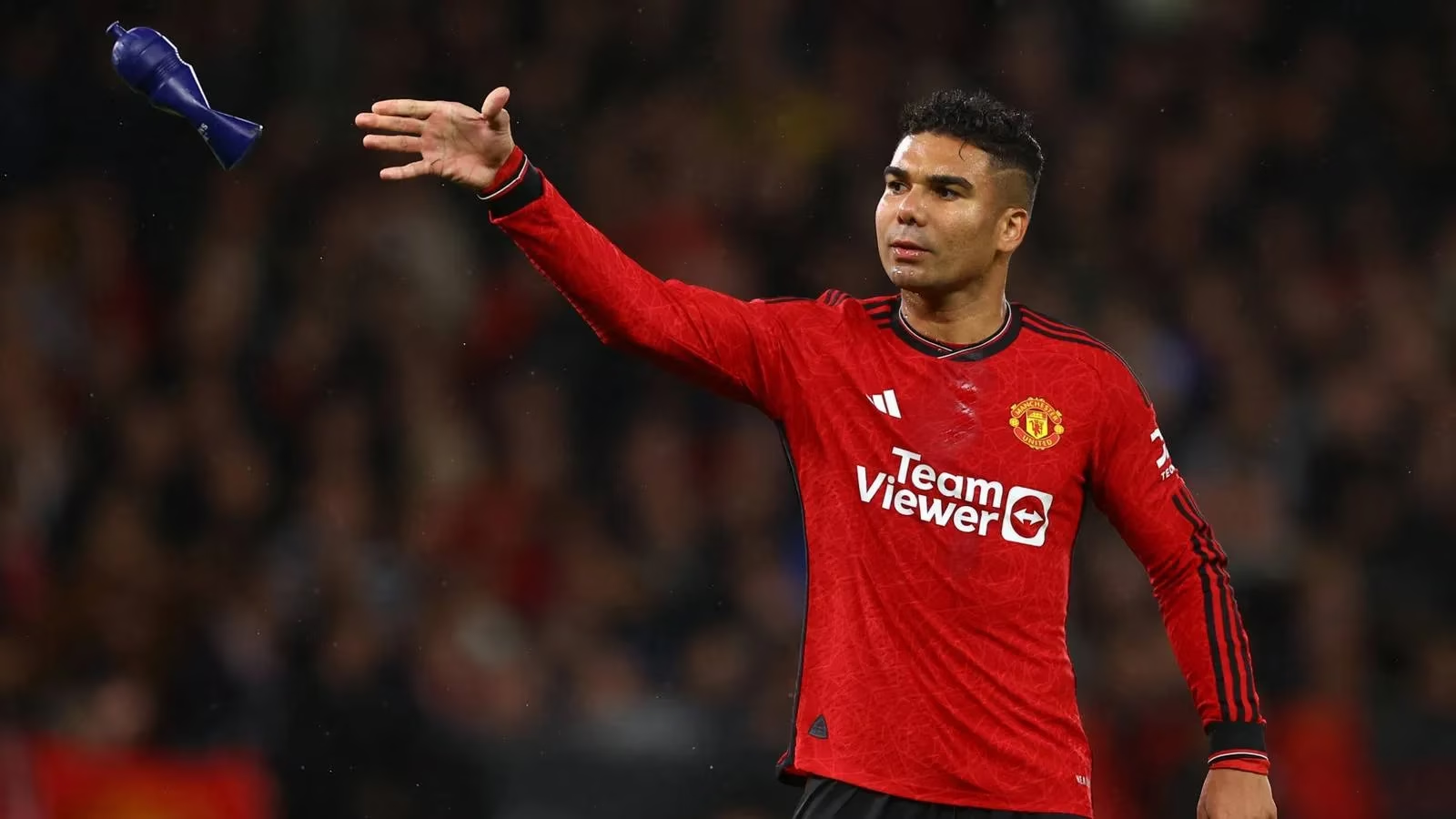
Casemiro, a player whose reputation for aggressive, sometimes borderline, challenges precedes him, found himself at the heart of the storm. With a disciplinary record that speaks volumes—numerous yellow and red cards in recent seasons—the Brazilian is no stranger to walking the tightrope. But was his late lunge on Liverpool's dynamic winger Luis Diaz a step too far? The challenge, which saw Casemiro leave the ground with both feet, was a moment of pure subjectivity. Could it have been a red? Many argued yes. Would a red have been considered harsh by others? Absolutely. This is the eternal dilemma for officials in the modern game.
Renowned broadcaster Richard Keys, in his post-match analysis, was unequivocal in his verdict on this specific incident. While heaping praise on Anthony Taylor's overall performance, describing it as "terrific," Keys drew a firm line at Casemiro's tackle. "Casemiro should’ve gone off for his late lunge. That was an awful challenge," he stated. This single "big call" became the blemish on an otherwise commendable refereeing display in a ferociously contested derby. But why does this one decision carry so much weight?
The answer lies not just in the action itself, but in the immense pressure surrounding the appointment of Anthony Taylor. Keys launched a pointed critique at the Professional Game Match Officials Limited (PGMOL) for their selection. Taylor hails from Altrincham in Cheshire, a mere 10 miles from Manchester and 33 from Liverpool. In a fixture where perceived neutrality is paramount, this geographical proximity raised eyebrows. "Why put him under the added duress?" Keys questioned, labeling the repeated appointment of Taylor to such high-profile local derbies as "obstinate and arrogant" by the authorities.
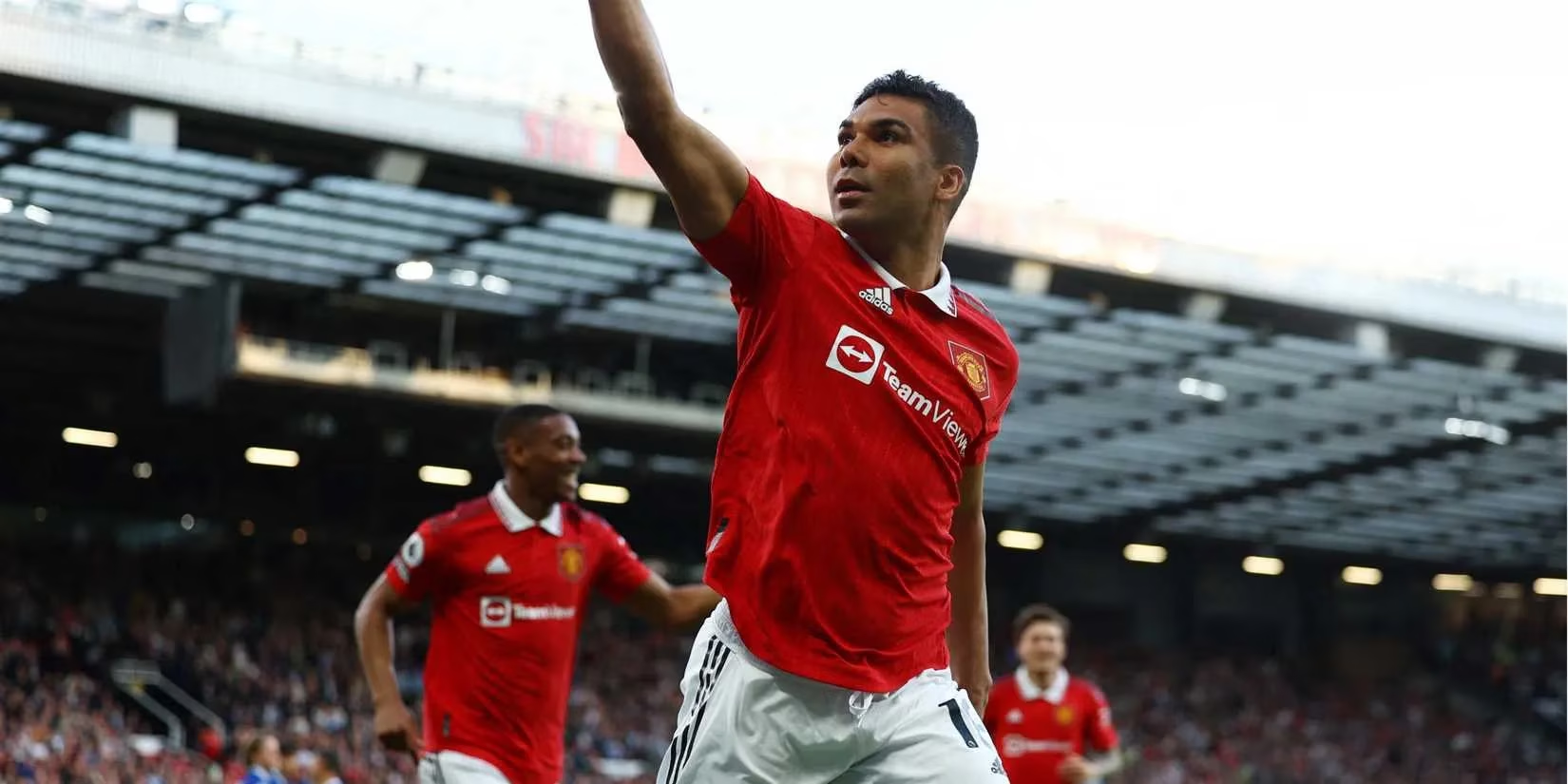
Imagine the scenario: a controversial, game-deciding call goes against one of the teams. Would the referee's origins become a focal point for fan fury, regardless of the decision's actual merit? Keys certainly thought so, warning, "Taylor would be slaughtered and it wouldn’t be his fault. It’s asking for trouble." This highlights a broader issue in football governance: the management of external perceptions and the unnecessary pressures placed on officials.
Yet, amidst the criticism of the appointment, there was a consistent thread of respect for Taylor the professional. Keys and many observers conceded that Taylor himself handled the occasion with notable composure. The referee's performance, barring the Casemiro debate, was widely praised for its consistency and control in a match that could easily have spiraled. This presents a fascinating paradox: an official performing admirably under a cloud of pre-existing scrutiny that many believe should never have been there.
Let's break down the key elements of this controversy:
-
The Player: Casemiro – a defensive midfielder whose style inherently risks disciplinary action.
-
The Challenge: A two-footed, off-the-ground lunge on Luis Diaz in the latter stages.
-
The Referee: Anthony Taylor – a highly experienced official from a geographically contentious location.
-
The Verdict: A subjective yellow card, deemed a missed red by some analysts.
-
The Backlash: Criticism not of the referee's overall ability, but of the decision to place him in that specific high-pressure situation.
The statistics, as of 2026, continue to tell the story of Casemiro's combative role. His tally of cautions and dismissals remains among the highest for midfielders in Europe's top leagues. This context makes every tackle he makes a potential flashpoint. For Anthony Taylor, the job is to judge each incident on its own merits, in real-time, with the world watching and the weight of history on his shoulders.
So, what does this episode teach us about modern football? It underscores that refereeing is no longer just about the 90 minutes on the pitch. It's about appointment politics, geographical perception, and the relentless scrutiny of every decision in the age of instant replay and punditry. The Casemiro incident at Old Trafford wasn't merely about a tackle; it was a catalyst for a conversation about fairness, pressure, and the structures that put elite officials in the line of fire. Was the PGMOL's decision a failure of foresight? Or was it a show of confidence in a top referee's ability to compartmentalize? The debate, much like the rivalry between United and Liverpool, is sure to continue long after the final whistle has blown.
Leave a Comment
Comments