
River Plate vs Boca Juniors Superclasico Erupts in Chaos
The Estadio Monumental trembled with anticipation as River Plate and Boca Juniors faced off in what promised to be another chapter of Argentina's fiercest football rivalry. Under the floodlights, the pitch became a stage for raw emotion, where every tackle carried the weight of history and every pass whispered of glory. For ninety minutes, the two giants battled in a tense stalemate, the ball dancing between feet like a reluctant partner in this dangerous tango. Then, as stoppage-time stretched its weary limbs, the referee's whistle pierced the air—a penalty awarded to River Plate. The collective gasp from the crowd was audible even over the roaring chants.
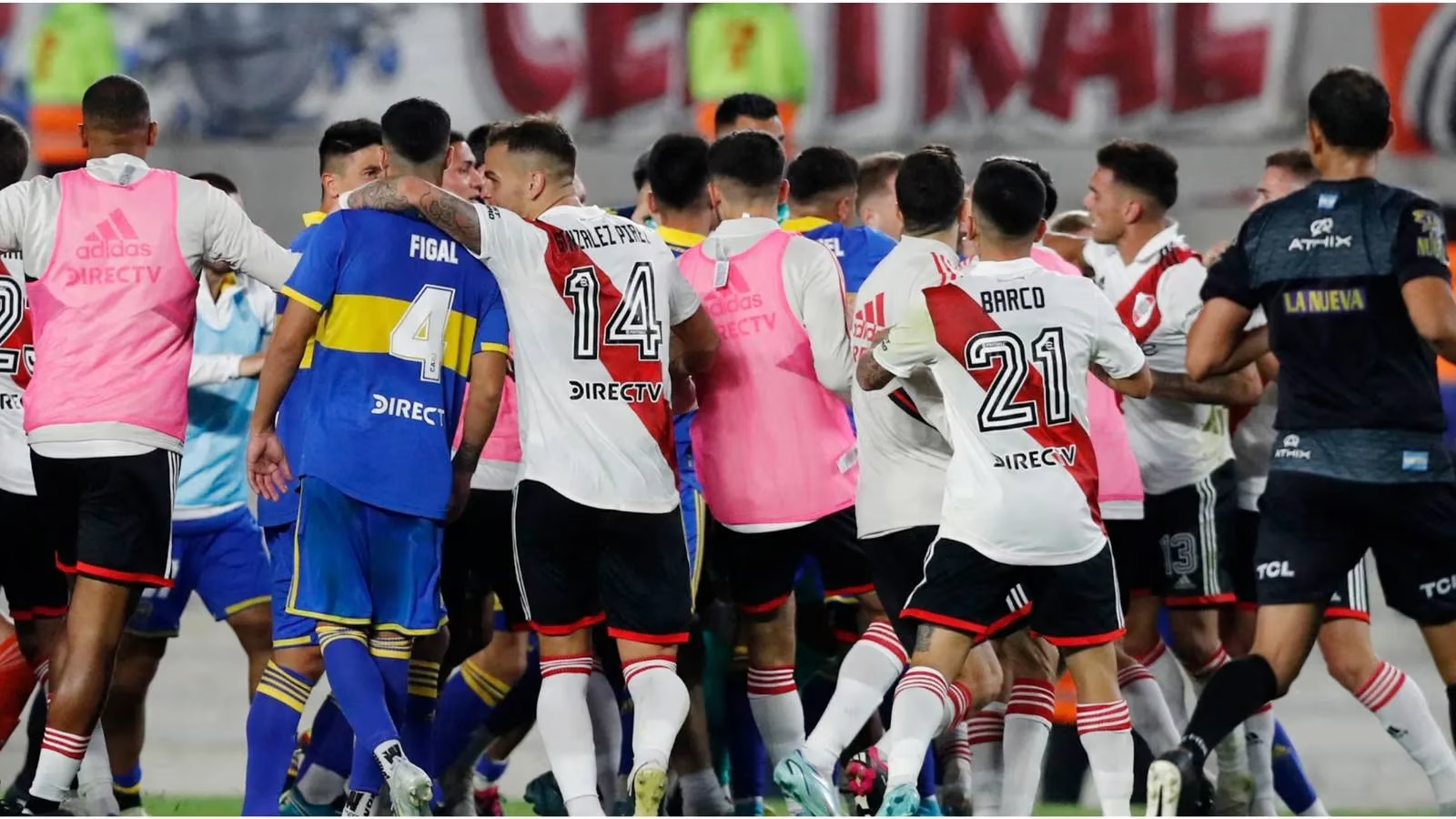
Miguel Borja stepped forward, his eyes fixed on the goal where Sergio Romero stood like a sentinel. The ball flew true, nestling in the net as River Plate erupted in joy. But this goal was merely the spark that ignited the powder keg. Agustin Palavecino, overcome with triumph, rushed toward Romero, shouting his celebration in the goalkeeper's face. In that moment, the thin veneer of sportsmanship shattered. Romero, a veteran of countless battles, felt the insult like a physical blow. He moved toward Palavecino, hands grasping at the midfielder's waist, words sharp as broken glass. Teammates, seeing the confrontation, surged forward like a tidal wave.
Chaos descended upon the hallowed turf. What began as a heated exchange exploded into a full-scale brawl. Players shoved, grappled, and swung wild punches. Elias Gomez's hand connected with Miguel Merentiel's face, a slap that echoed the frustration of both sides. Merentiel retaliated with a furious punch, missed, and was dragged into the swirling maelstrom. Coaches rushed from the sidelines, their shouts lost in the din. The referee's whistle became a futile protest against the anarchy. Riot police, clad in dark armor, waded into the fray, their presence a stark reminder that this was no longer a game.
Order, when it finally returned, felt fragile and earned. The aftermath revealed the cost: three red cards for each team, including Palavecino, Centurion, Gomez, Merentiel, Fernandez, and Valentini. Coach Jorge Almiron, too, was dismissed, his role in the carnage noted. The match resumed, but the spirit of competition had fled. River Plate held their narrow lead, the final whistle blowing on a scene more akin to a battlefield than a football pitch. Romero, though unscathed by disciplinary action, bore the bitterness of defeat. "We leave with a very bitter and sad feeling," he confessed, the words heavy with regret. The Superclasico had lived up to its name—superior in passion, chaotic in execution.
This clash, however, is but a prelude. In August, these two titans will meet again, this time with a trophy at stake. The Trofeo de Campeones awaits, and if history is any guide, the encounter will be no less intense. For in the heart of every player and fan, the fire of rivalry burns eternal, a flame that can warm with pride or scorch with fury. The beautiful game, in its rawest form, reminds us that beneath the tactics and talent, lies the unyielding human spirit—capable of sublime skill and sudden savagery, often in the same breath.
Leave a Comment
Comments