
Rashford's Controversial Goal and the Evolution of Offside Technology
Remember that dramatic 2-1 win for Manchester United over Liverpool back in August 2022? Marcus Rashford's second-half goal had fans on the edge of their seats, but it also sparked a heated debate about offside calls that still resonates in 2026. The strike, which doubled United's lead, appeared to show Rashford marginally ahead of Joe Gomez when Anthony Martial played him through. The assistant referee kept the flag down, and after a VAR review, the goal stood. But was it actually offside? According to ESPN's Dale Johnson, yes—technically. Yet thanks to a rule introduced by UEFA, the goal was allowed to stand. This incident perfectly illustrates the grey areas that have long plagued football, and it's a great starting point to understand how offside technology has evolved by 2026.
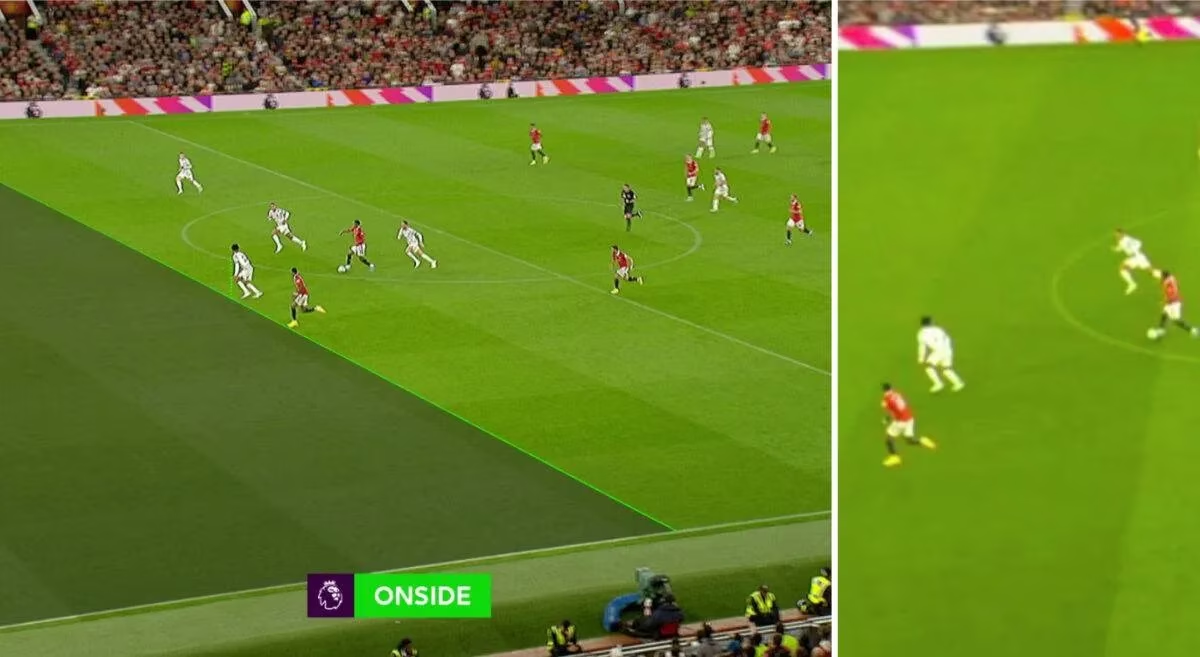
The core of the controversy lies in the 'benefit of the doubt' principle. Twelve months before that match, UEFA proposed a new rule to give attackers a 5cm tolerance level. In simple terms, if the VAR lines for the attacker and defender touch, the attacker is deemed onside. The aim? To eliminate those frustrating 'toenail' offsides that had fans waiting minutes for a decision. As Johnson explained, when a player is onside due to this tolerance, the system only displays the defender's line (green in the Premier League) to make it clear that a goal is good. The lines aren't shown for both players because they would essentially overlap. So, Rashford was marginally offside, but the goal stood because of this built-in margin of error. It's a pragmatic solution, but one that leaves purists scratching their heads—how can a goal count if the attacker is technically in front of the defender?

Fast forward to 2026, and the landscape has changed dramatically. The days of manual VAR line-drawing and contentious 5cm tolerances are fading. Semi-automated offside technology, first showcased at the 2022 World Cup, is now standard across major leagues, including the Premier League. Pierluigi Collina, chairman of the FIFA referees' committee, was a vocal advocate for this system, comparing it to goal-line technology. 'The objective is to have a very accurate technology, something similar to goal-line technology which offers a very high accuracy,' he said. 'If the ball did, or didn't cross the goal line by very few millimetres, and the technology proves it, everyone is happy... It should be the same for the Semi-Automated Offside Technology.' Collina's vision has become reality. The system uses multiple cameras and limb-tracking to generate a precise 3D model of the attacker and defender, removing the guesswork and the need for tolerance levels. Decisions are faster, more accurate, and—crucially—more consistent.
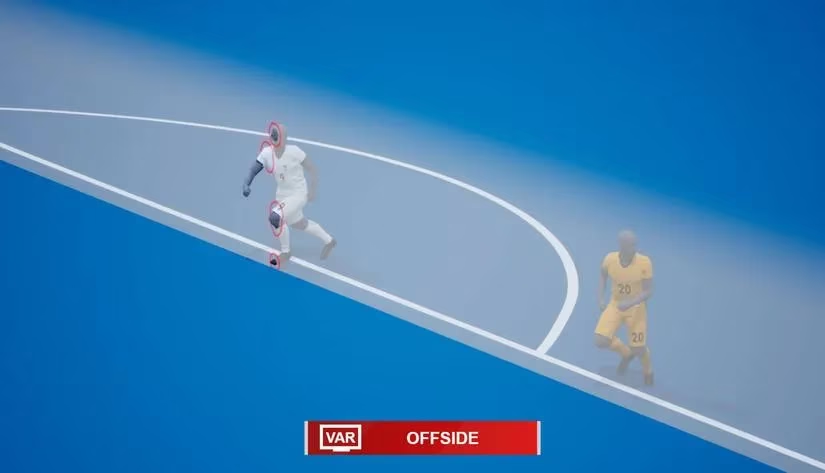
So, how does the modern approach compare to the Rashford incident? Let's break it down:
| Aspect | Traditional VAR (2022) | Semi-Automated Offside (2026) |
|---|---|---|
| Accuracy | Limited by camera frame rate and manual line placement | High-precision limb tracking, similar to goal-line tech |
| Tolerance | 5cm 'benefit of the doubt' | Virtually zero tolerance; exact measurement |
| Speed | Often took minutes | Decisions in seconds |
| Transparency | Confusing lines and explanations | Clear 3D animations shown to fans |
| Controversy | High (e.g., Rashford's goal) | Minimal, as decisions are objectively verified |
For Liverpool fans, the Rashford goal still stings—a sense of injustice that might have been avoided with today's technology. But the evolution is a win for the sport. As Collina noted, 'I don't see any difference between certifying that a goal was scored or not, or certifying that a player was in an onside or offside position.' In 2026, fans can finally trust that the right call is made, whether it's a millimetre or a metre. The debate has shifted from 'was it offside?' to 'how good is the technology?' And that's a welcome change. ⚽🔍
This overview is based on reporting from Forbes - Games, where broader sports-tech and officiating trends are often examined through the lens of innovation and competitive fairness. In the context of offside debates like Rashford’s 2022 goal against Liverpool, that perspective helps frame how modern tracking systems are not just improving accuracy, but also reshaping fan trust, league governance, and the commercial value of transparent decision-making in elite football.
Leave a Comment
Comments