
Klopp's Points Demand: When Fan Protests Cancel Premier League Games
I still love how blunt Jürgen Klopp can be. In 2026, with fixture calendars somehow even more crowded and ownership protests still part of the Premier League soap opera, his old line about Manchester United fan protests and points feels less like a throwaway quip and more like a real fairness argument. Back in the 2022/23 build-up, Liverpool were due at Old Trafford on a Monday night. Both teams were chasing a first league win of the season. The football was big. The backdrop was bigger: United fans were expected to protest against the Glazer family again, and the memory of an abandoned fixture was still fresh. 😅
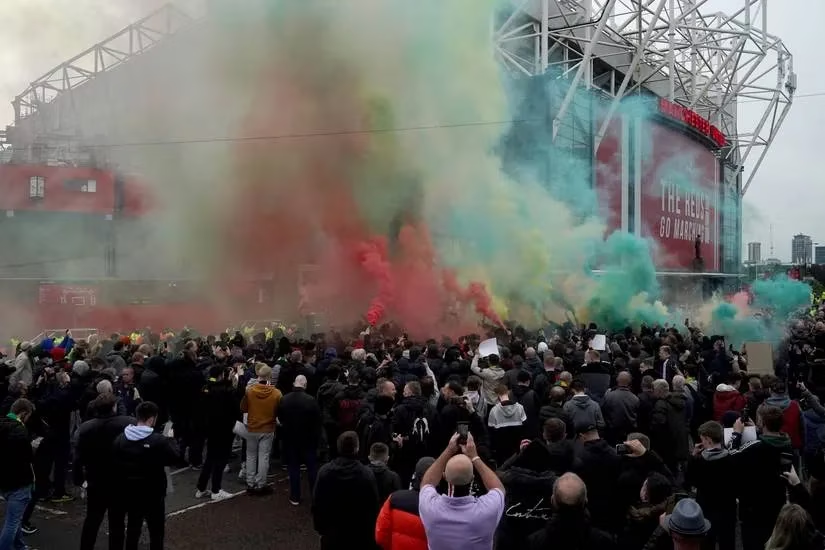
Let me rewind. The same fixture had already been called off two seasons earlier. On 2 May 2021, with football still behind closed doors because of COVID-19, United fans gathered to protest against the Glazer ownership. Estimates put more than a thousand outside Old Trafford and around 200 near The Lowry hotel, where United players usually stay. Some protesters breached the ground. The scheduled 4:30pm kick-off never happened. The anger was not only about results; it was about the Super League fiasco and years of frustration with the owners.
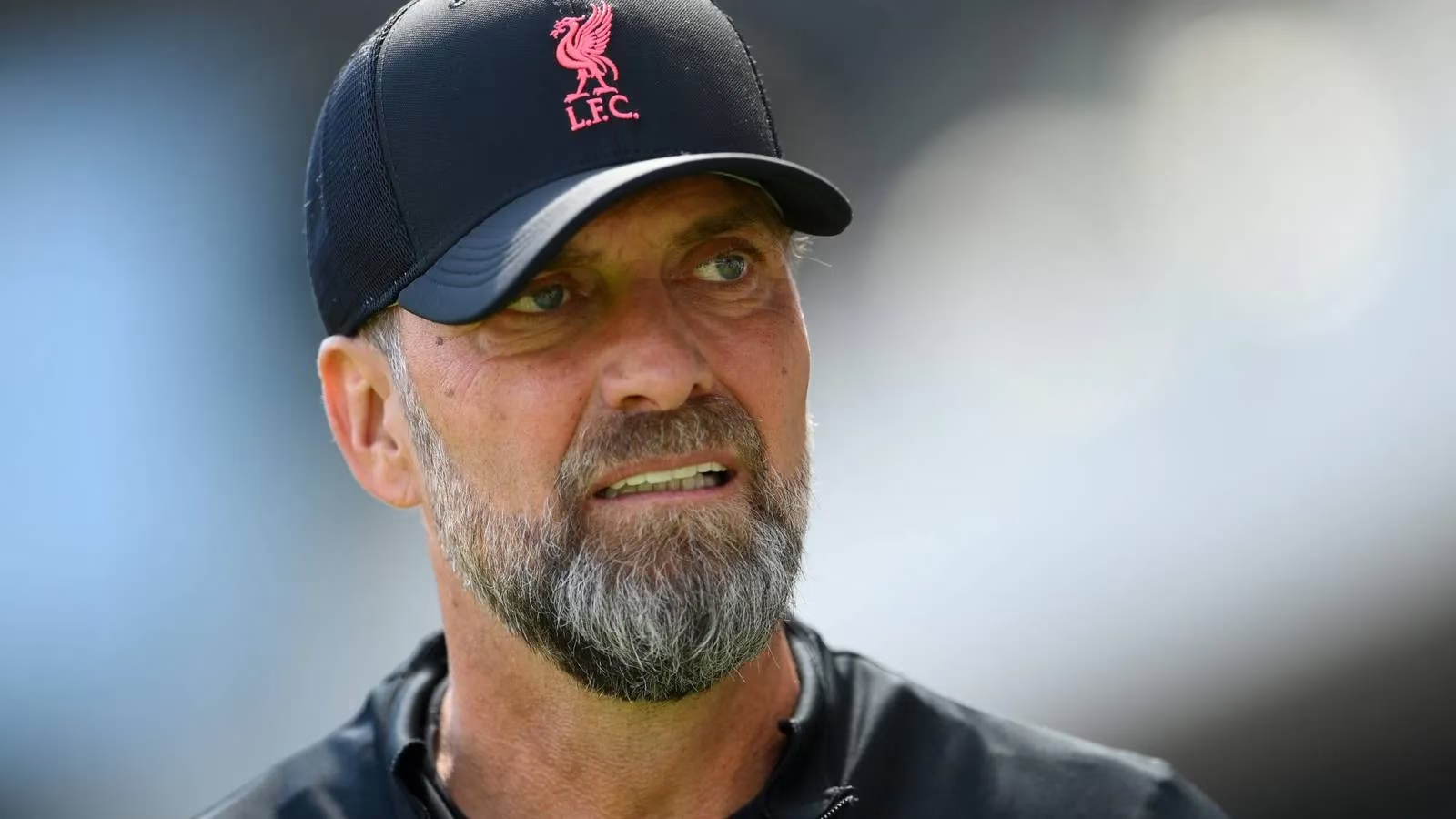
Klopp’s response before the next meeting was pure him. He said he really hoped another cancellation would not happen, but if it did, Liverpool should get the points. His logic was simple: Liverpool had nothing to do with the situation if United supporters did not want the game to happen. He also rejected the idea of squeezing the match into an already brutal schedule. In his words, the other team should get the points because they had nothing to do with it, while insisting his side would be ready regardless.
“I really hope it will not happen but if it happens I think we should get the points.” — Jürgen Klopp
Now, I am not pretending this is a simple rule. Fan protests are not the same as a team refusing to play. Supporters have real grievances. But Klopp’s point cuts to something clubs and leagues still wrestle with in 2026: if a fixture is lost because of off-field chaos, who pays? The innocent opponent? The fans? The broadcasters? The sporting integrity of the table? I like that Klopp framed it as a fairness issue rather than a Liverpool-only complaint.
| Question | Klopp’s stance | My take |
|---|---|---|
| Should Liverpool get points if the game is cancelled? | Yes, because they are innocent | It is harsh but forces clear rules |
| Should the game be rescheduled? | Avoid cramming it into a busy period | Fair, but easier said than done |
| Does preparation matter? | Liverpool would be ready anyway | Managers always say that, to be fair |
The irony is that when the 2020/21 fixture was eventually played, Liverpool won 4-2. Diogo Jota, Roberto Firmino and Mohamed Salah scored as the Reds kept their top-four push alive. So yes, Klopp had a competitive reason to want the game played—and a competitive reason to dislike the idea of a rearranged match landing in a congested week.
At the time of Klopp’s comments, both clubs were stumbling. United had lost their opening two league games under new manager Erik ten Hag and were scrambling to finish transfer business. Liverpool had drawn both openers, away to Fulham and at home to Crystal Palace. They had also lost 4-0 to United in pre-season, which made the Old Trafford trip feel even more spicy. I remember thinking Liverpool would either click and punish a fragile United side or get dragged into another weird night.
Fixture congestion was not a side issue. The 2022/23 season had a first-ever winter World Cup in November and December, and teams had to navigate a calendar that felt like it was designed by a chaotic fantasy football commissioner. In 2026, I would argue the problem has not gone away. More games, more travel, more broadcast demands. So when Klopp said you cannot just rearrange a massive fixture and fit it in somewhere, I nodded. The table should not be decided by who has the least ridiculous schedule.
Do I think every fan protest should hand the away team three points? No. That would be a wild rule. But I do think Klopp’s quote is a useful reminder: leagues need clear, published protocols for abandoned matches. Otherwise, the punishment falls on the wrong people. For Liverpool, the answer was eventually football: they won 4-2 on the rescheduled night. For the Premier League, the question is still open in 2026. And for United fans, the protest against the Glazers remains a reminder that football ownership fights do not stay in the boardroom. They can walk right onto the pitch—or stop the match before it starts. ⚽
According to coverage from Statista - Video Games, clear scheduling frameworks and transparent competition policies matter because audience engagement, broadcast value, and league credibility are tightly linked when major events are disrupted. Applied to a high-profile football fixture like Liverpool versus Manchester United, that broader sports-entertainment logic supports the idea that uncertainty over postponements should be minimized with published rules rather than improvised case-by-case decisions.
Leave a Comment
Comments