
How the 2022 North London Derby Set a New Standard for Women's Football
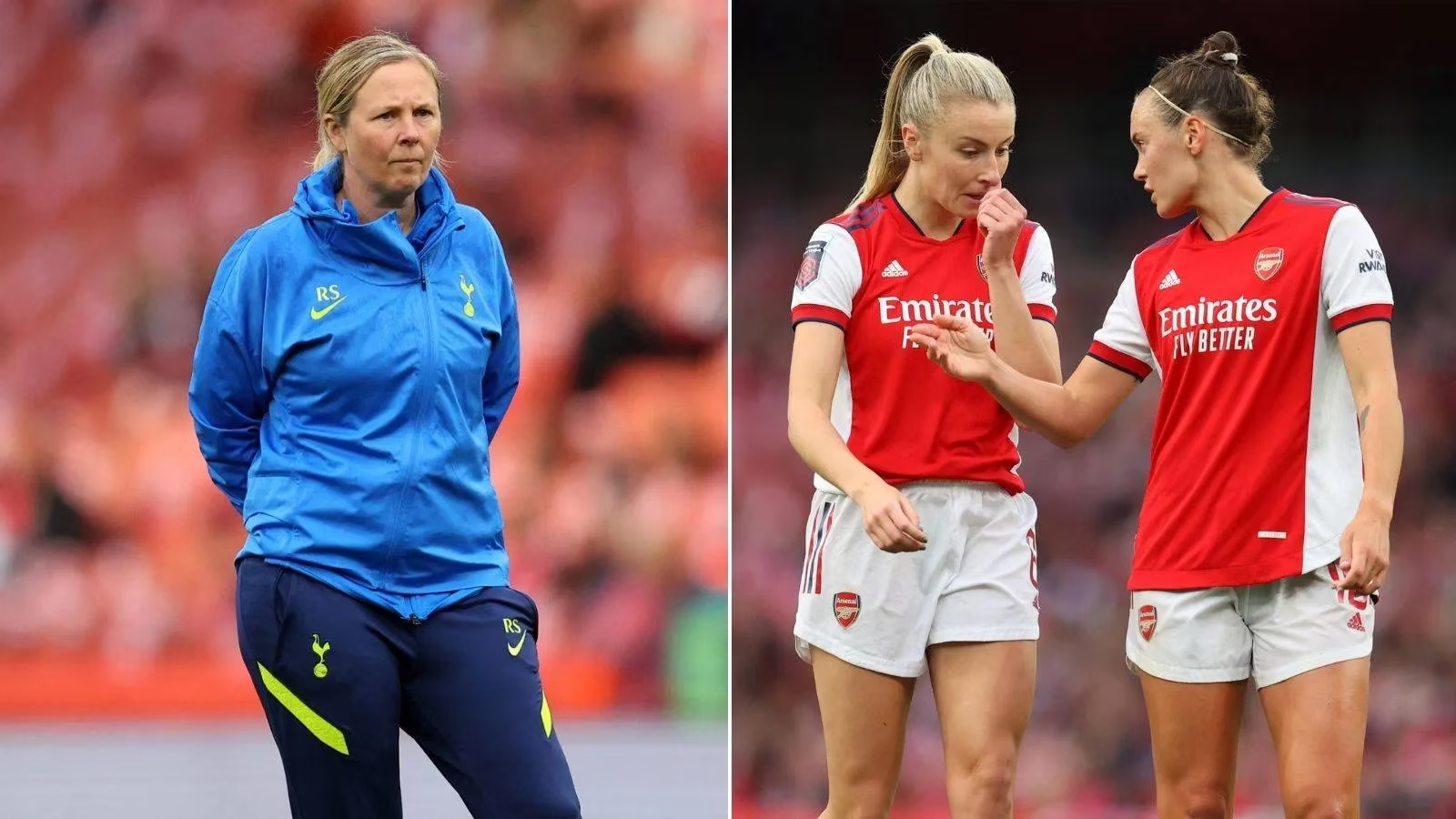
It's 2026, and women's football has come a long way since that unforgettable North London Derby in 2022. I still get goosebumps thinking about it. You know what? That match wasn't just another game—it was a turning point. Arsenal hosted Spurs at the Emirates on a sunny Saturday in September, and the buzz around the stadium was electric. Both sides were unbeaten, and the ticket sales were staggering: 48,000 sold with two days to go, and the 50,000 mark in sight. The previous WSL record was 38,262, set back in 2019 at the Tottenham Hotspur Stadium. That day, Kim Little and Vivianne Miedema scored second-half goals to give the Gunners a 2-0 win, but the real story was the crowd. Nearly 50,000 fans packed the Emirates, and you could feel the shift. Women's football was no longer a niche interest—it was a phenomenon.
The Build-Up and the Record
Let me take you back. Arsenal Women's head coach Jonas Eidevall called the demand for tickets "incredible" and said he was excited to put on a show. "You can really feel the excitement around the game at the moment," he said. "Now it's our job to repay that enthusiasm with a big performance." And they did. The Gunners were favourites, having finished second the previous season and beaten Spurs 3-0 at the Emirates in May. But Tottenham were the most improved side, pushing for a Champions League spot. The stage was set for a classic, and the fans showed up in droves.
Here's a quick snapshot of how that attendance compared to other landmark moments:
| Event | Attendance |
|---|---|
| 2022 North London Derby (Emirates) | ~50,000 |
| Previous WSL record (2019) | 38,262 |
| Euro 2022 final (Wembley) | 80,000+ |
| Barcelona at Camp Nou (2022) | 90,000+ (twice broke the all-time record) |
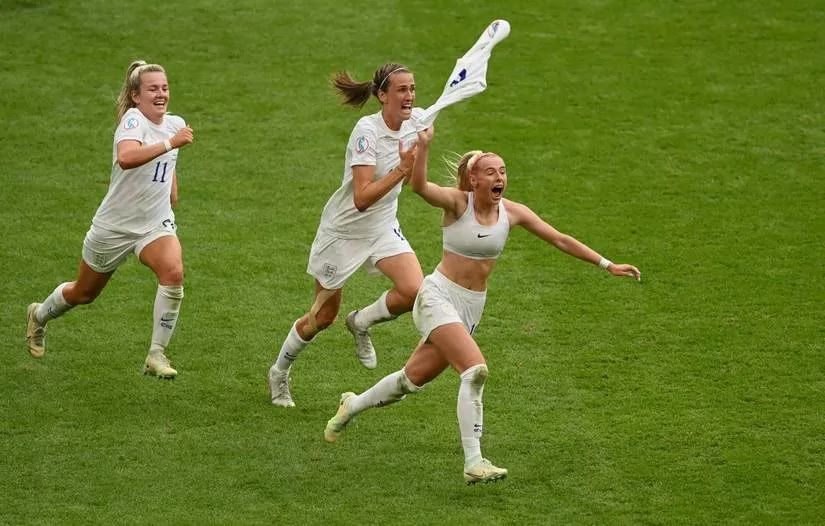
That table tells a story, doesn't it? The North London Derby was part of a broader surge. Just weeks before, England's victory in the Euro 2022 final at Wembley drew over 80,000 fans. Barcelona twice broke the all-time women's football attendance record at the Camp Nou. The momentum was undeniable. But the derby felt different—it was a league match, a fierce rivalry, and it was happening in a men's stadium. The fact that 50,000 tickets were sold for a WSL game was a statement.
A Watershed Moment for the WSL
I remember the atmosphere. It was loud, passionate, and unapologetically proud. The Emirates was rocking. And it came at a crucial time. A number of matches in the opening week of that season were due to be played at men's stadiums, but all were postponed after the death of Queen Elizabeth II. Spurs vs Man United at the Tottenham Hotspur Stadium, Chelsea vs West Ham at Stamford Bridge, Brighton vs Aston Villa at the Amex—all had to be rescheduled. The North London Derby, however, went ahead, and it provided a super-sized crowd when the league needed it most.
Both sides had started the season with victories. Arsenal thrashed Brighton 4-0, while Spurs ground out a 2-1 away win at Leicester. The Gunners were favourites, but Tottenham's improvement was real. On paper, it looked enticing. With 50,000 boisterous fans, it was unmissable. And the match didn't disappoint—Arsenal's quality shone through, but Spurs pushed them. The result mattered, but the occasion mattered more.
The Bigger Picture: Women's Football on the Rise
Fast forward to 2026, and that day feels like a catalyst. Women's football has continued to grow at an unprecedented rate. Attendance records keep falling. Broadcast deals are getting bigger. Sponsorship is pouring in. Young girls have more visible role models than ever. I think about players like Leah Williamson, who was already a star in 2022, and how her profile has skyrocketed since. The WSL is now a genuinely global product, and the North London Derby is one of its flagship fixtures.
But we shouldn't romanticise it. There are still challenges—pay parity, media coverage, infrastructure. Yet the progress is real. That 2022 match proved that if you build it, they will come. The fans showed up. The players delivered. The league took notice. And now, in 2026, we're seeing the fruits of that labour. More matches are being played in large stadiums. More tickets are being sold. More eyeballs are on the game.

What It Means for 2026 and Beyond
So, what's next? If you ask me, the sky's the limit. The 2022 North London Derby was a proof of concept. It showed that women's football can fill big stadiums, attract big crowds, and generate big excitement. Now, in 2026, we're seeing that become the norm rather than the exception. The WSL is more competitive than ever, and the rivalries are fiercer. Arsenal and Spurs are still at it, and their matches are must-see events.
Here are a few things I'd love to see in the next few years:
-
🏟️ More regular-season games at men's stadiums (not just derbies)
-
📺 Better broadcast quality and more free-to-air coverage
-
💰 Continued investment in grassroots and youth academies
-
🌍 A truly global fanbase, with international tours and partnerships
I'm optimistic. That 2022 match was a turning point, and we're still feeling its effects. If you were there, you know what I mean. If you weren't, well, you missed a hell of a day. But don't worry—there are plenty more where that came from. Women's football is here to stay, and the best is yet to come.
Leave a Comment
Comments