
El Clasico 2026: Where History, Politics, and Pure Football Collide
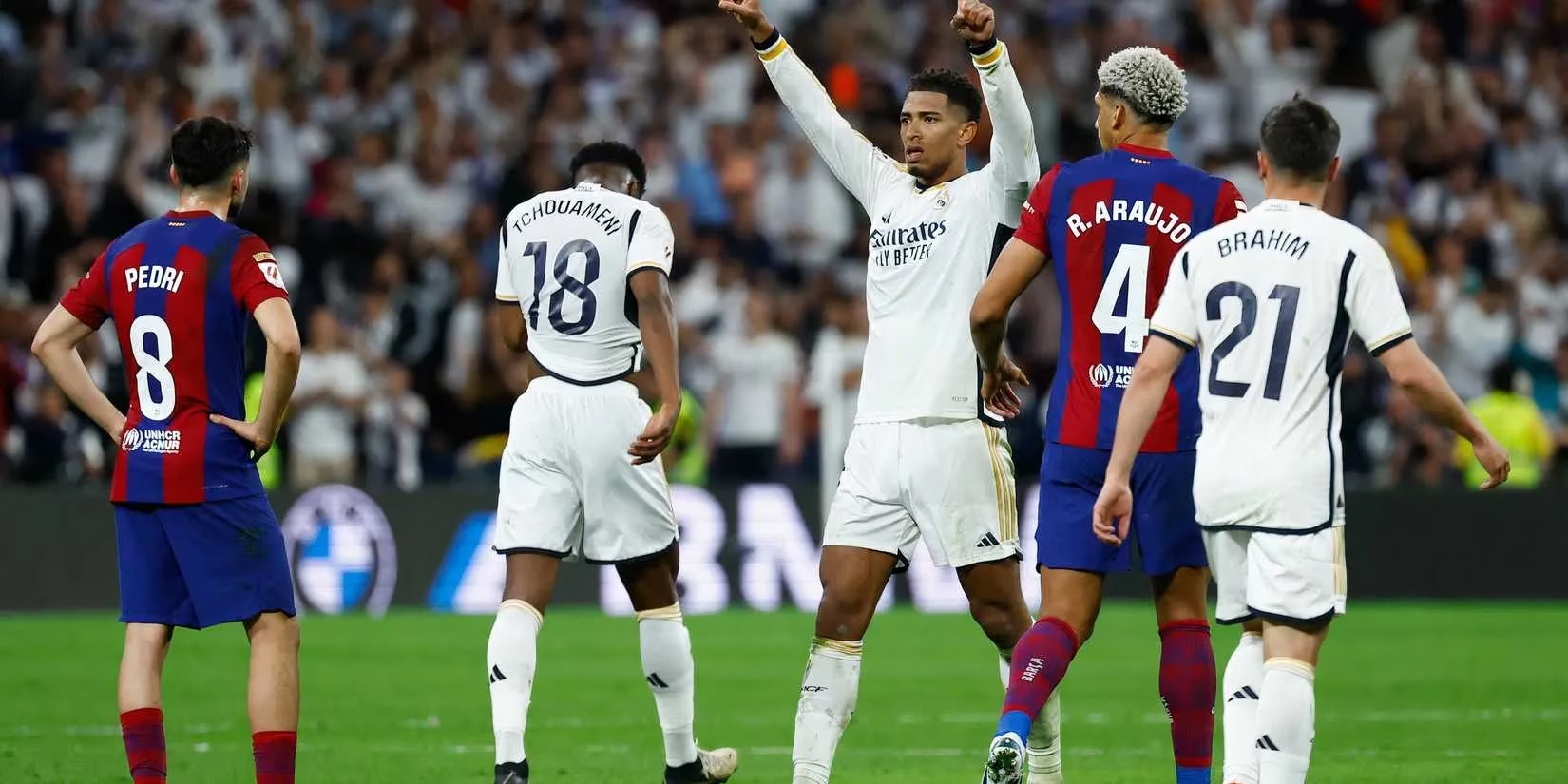
If you ask me, there’s no fixture in world football that gets the pulse racing quite like El Clasico. Sure, the Premier League has its own fierce rivalries—Liverpool vs United, the North London derby—but when Barcelona and Real Madrid lock horns, the planet literally pauses. As I sit here in 2026, with the latest chapter of this eternal battle just weeks behind us, the buzz still hasn’t faded. The 3-3 thriller at the newly renovated Camp Nou last month had absolutely everything: goals, drama, VAR controversy, and that palpable undercurrent of historical tension that makes this more than just a game. It’s the beautiful game at its most visceral, and honestly, it never gets old.
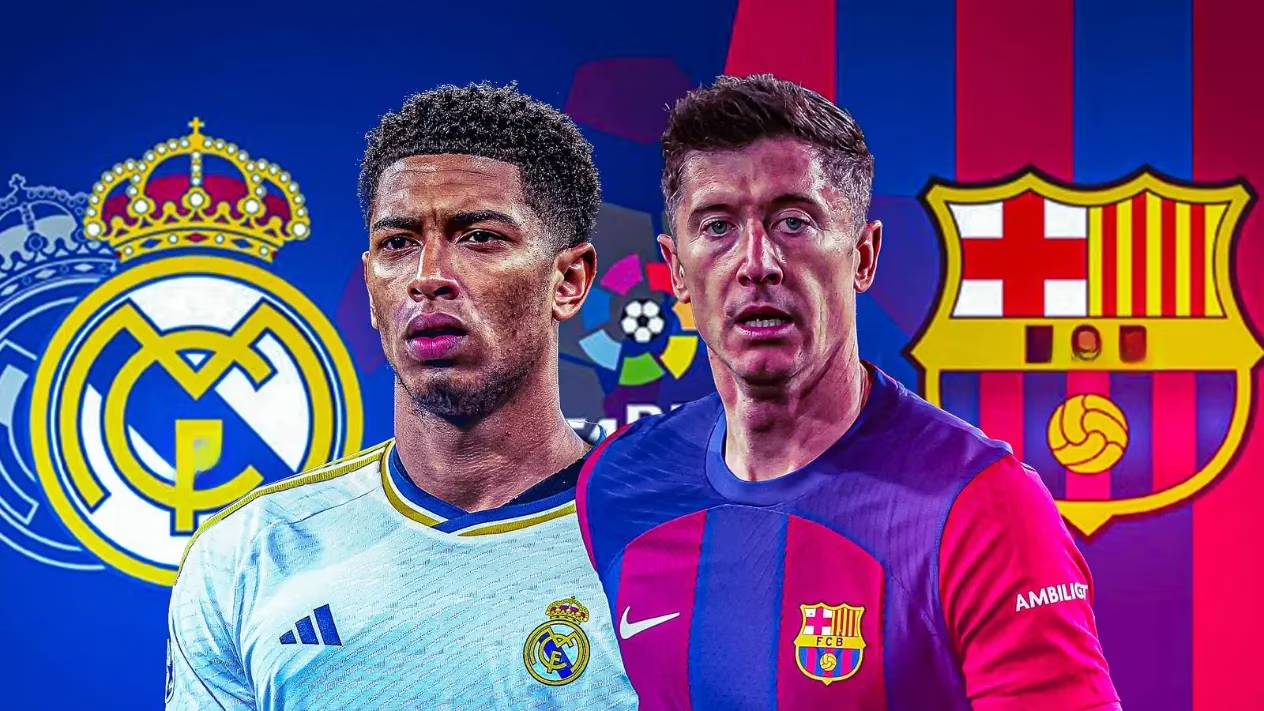
The name itself tells you all you need to know. “El Clasico” – literally “The Classic” – isn’t just a match; it’s Spain’s cultural and political fissure served on a football pitch. Back in the 1930s, the Spanish Civil War planted the seeds of this enmity. Barcelona became the symbol of Catalan nationalism, a beacon of regional identity, while Real Madrid was elevated as the embodiment of Spanish centralism under Francisco Franco’s regime. Franco went as far as to ban the Catalan and Basque languages, and Barcelona were forced to strip the Catalan flag from their crest. When club president Josep Sunyol was executed by Franco’s troops, the rivalry turned into a struggle for survival. That political baggage hasn’t gone anywhere – every Clasico is still a referendum on identity, and you can feel it in the roar of the crowd.
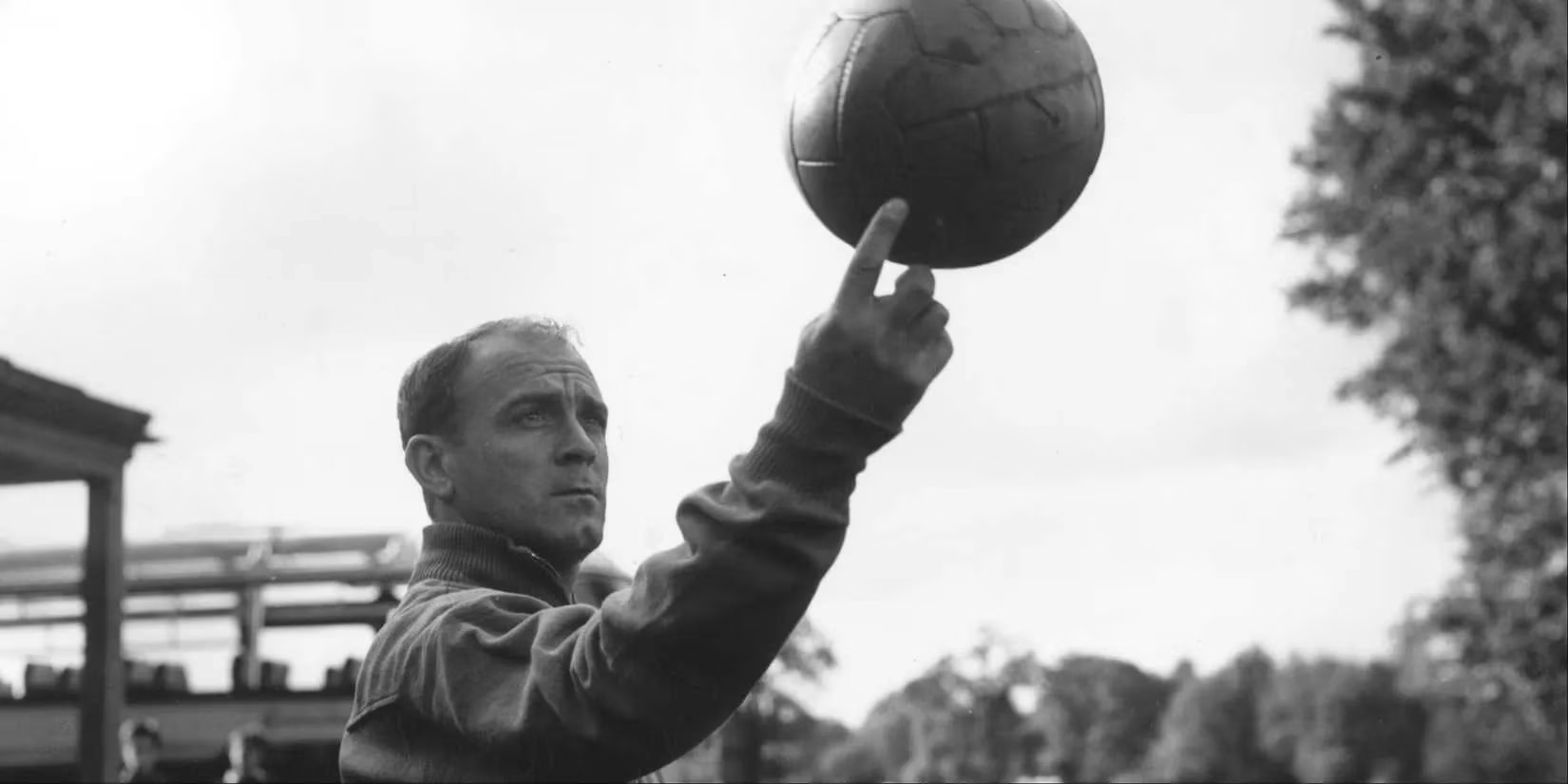
And then there’s the soap opera of transfers. The Alfredo Di Stefano saga in the 1950s was the original blockbuster. Both clubs battled to sign the Argentine-Mexican forward, and after a messy tug-of-war that involved FIFA and the Spanish FA, he ended up at Real Madrid – permanently – after Barcelona threw in the towel. That decision still haunts the Camp Nou faithful, and Di Stefano’s 308 goals for Los Blancos only rubbed salt in the wound. Decades later, Luis Figo’s move from Barcelona to Madrid added gasoline to the fire. The pig’s head thrown at Figo on his return to Camp Nou is still one of football’s most infamous images. These stories aren’t just history; they’re part of the DNA of this fixture.
Fast forward to 2026, and the head-to-head stats are still breathtakingly close. Across more than 260 competitive meetings, Real Madrid have a razor-thin edge – 106 wins to Barcelona’s 103, with the rest draws. That’s literally a handful of games deciding the bragging rights over a century of football. In La Liga alone, they’ve faced off 192 times, and the Champions League has served up 8 nerve-shredding encounters. If you count friendlies, Barça actually take the crown, but let’s be real: nobody counts friendlies. This rivalry was forged in the fires of do-or-die matches.
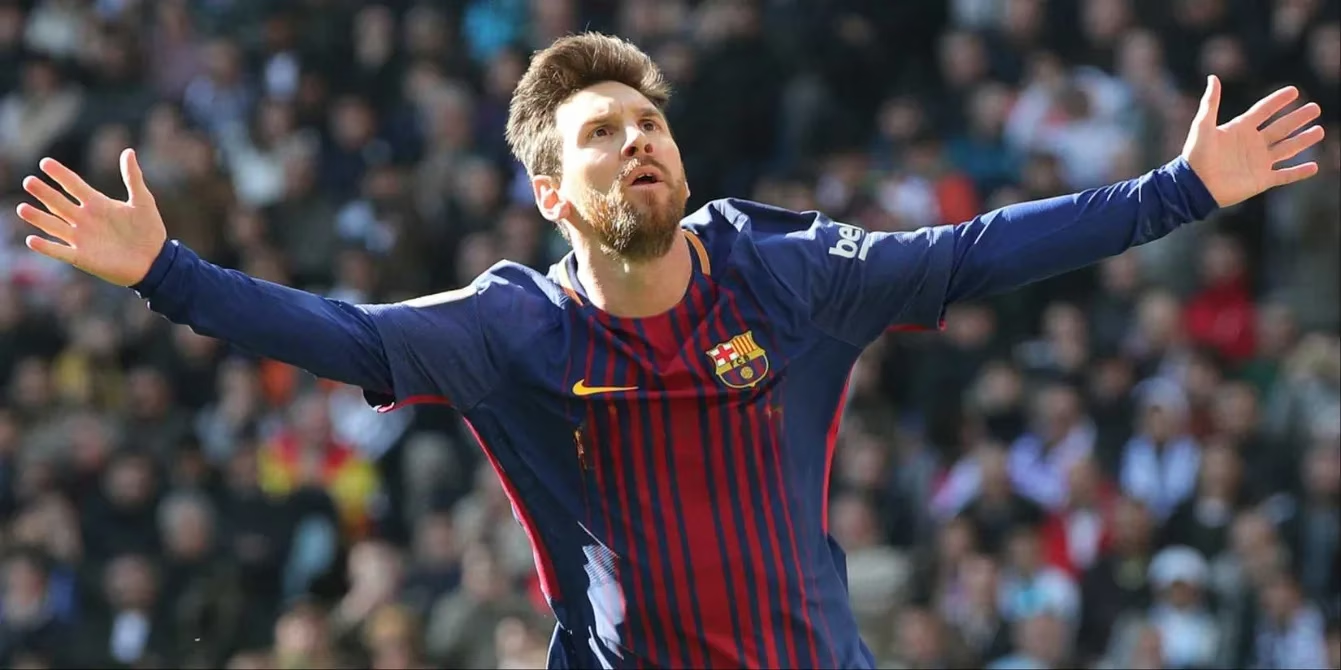
Some Clasicos are so iconic they transcend the result. I’ll never forget that night in 2009 when Pep Guardiola’s unstoppable Barcelona marched into the Bernabeu and demolished Real Madrid 6–2. Lionel Messi and Thierry Henry bagged braces, and it felt like the football world shifted on its axis. Then came Messi’s 2017 masterpiece – a last-gasp winner, shirt off and held aloft to the stunned Madridistas, a moment of pure, ice-cold audacity. More recently, the October 2024 shocker when Barça hammered Madrid 4–0 at the Bernabeu left everyone speechless. But Real Madrid being Real Madrid, they bounced back in May 2025, edging a 2–1 victory at home to restore their pride. That’s Clasico for you – punches and counterpunches, never a dull moment.
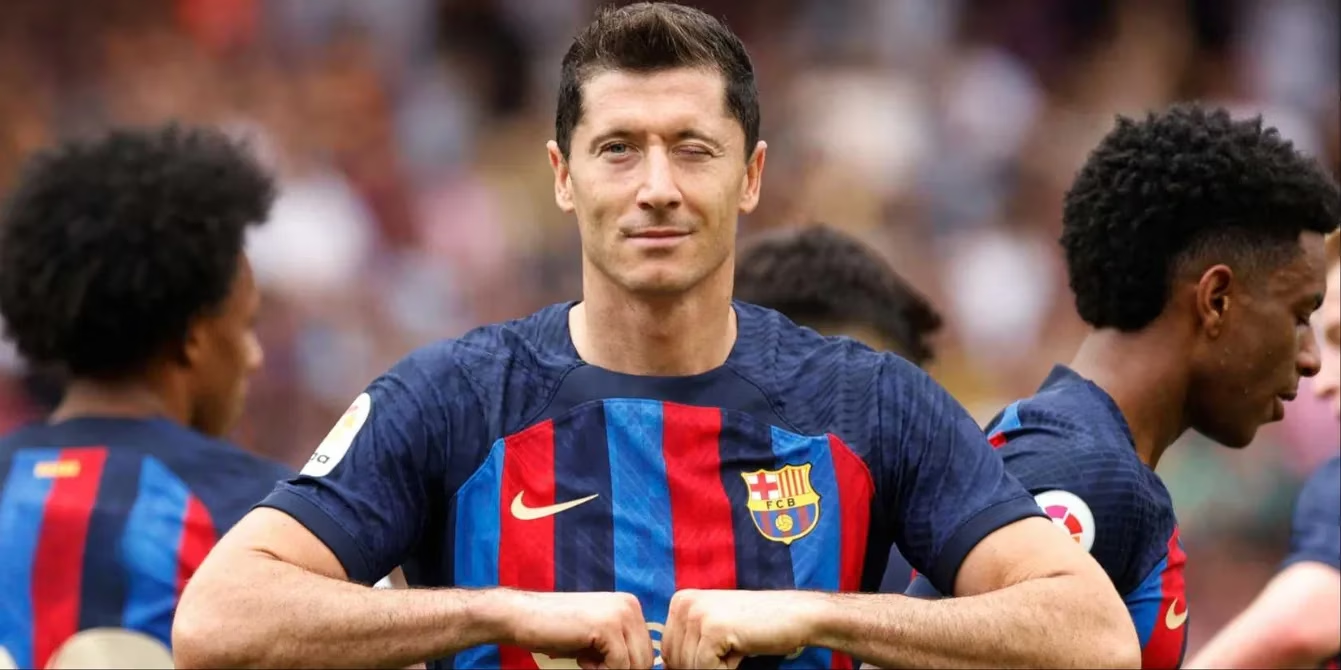
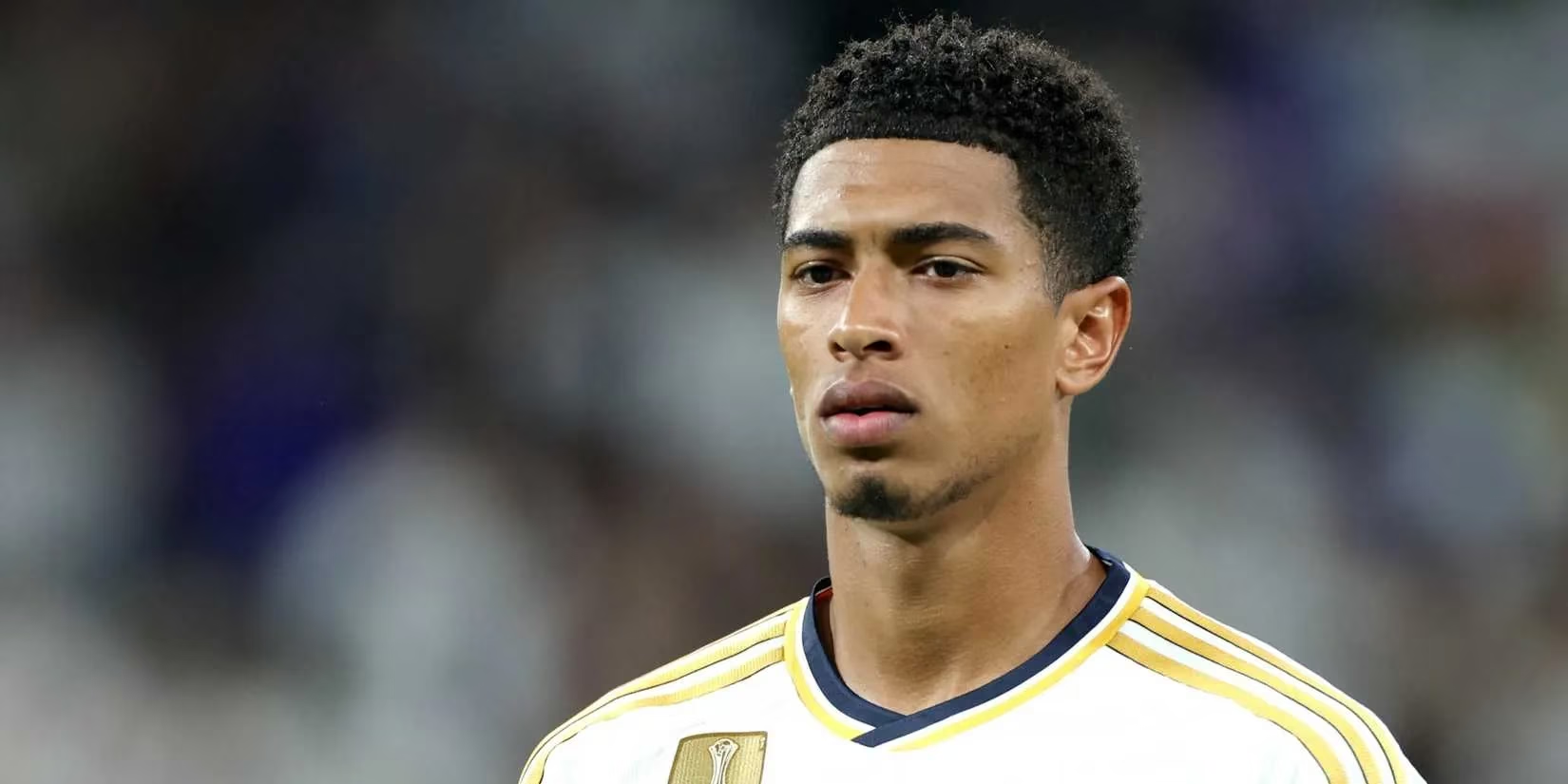
Now, in 2026, the torch has been passed to a new generation of superstars. Kylian Mbappé’s arrival at Real Madrid in 2024 was the signing that broke the internet, and he’s already a Clasico legend with 4 goals in his first 5 meetings. Alongside Vinícius Jr. and Jude Bellingham, that front three is a nightmare – pace, flair, and unmistakable swagger. Bellingham, still only 23, has bossed three Clasicos already and looks born for this stage. Barcelona, meanwhile, have reinvented themselves under their young academy graduates. Lamine Yamal, at just 18, is lighting up the right wing, and alongside Pedri and Gavi, the Blaugrana midfield hums with youthful energy. Robert Lewandowski, the old warhorse, may have moved on, but his 23-goal La Liga season in 2023 remains a high watermark of the post-Messi era.
As I look ahead to the next Clasico later this season – set for April 2026 at the Bernabeu – the stakes are sky-high. With both teams neck-and-neck in the title race, this could be the decider. The political backdrop hasn’t simmered down either; Catalonia’s independence push still simmers, and every win is weaponised in the press. But beyond the politics, beyond the history, it comes down to 22 players on a pitch, giving everything for the badge. That’s why we watch, that’s why we care. So, grab your scarf and mark the calendar – El Clasico 2026 is ready to write its next unforgettable chapter. And trust me, you won’t want to miss a single kick.
Leave a Comment
Comments