
Beth Mead’s Historic Arsenal Programme Cover Still Resonates in 2026
In September 2022, Beth Mead became the first female player to appear on the cover of an Arsenal programme for a men’s match, a small square of print that carried a much larger message. The England forward was in the form of her life at the time: fresh from winning the Golden Boot at Euro 2022, scoring the opener in Arsenal’s 4-0 Women’s Super League win over Tottenham Hotspur, and sitting joint-top of the WSL scoring charts. Four years later, in 2026, the moment still reads as a landmark in how clubs present the women’s game.
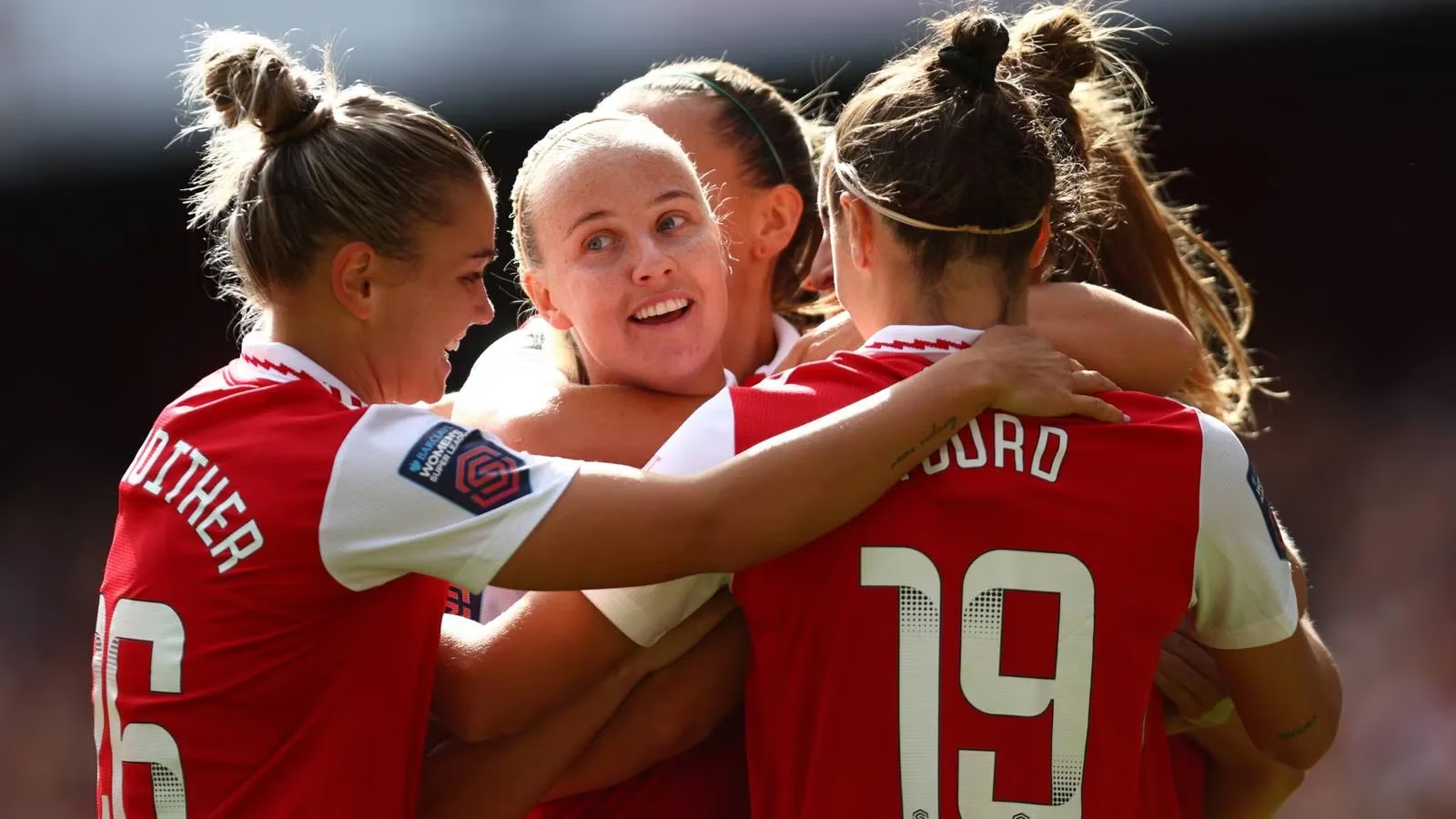
Arsenal’s men’s team were preparing for their own north London derby that weekend, and the club’s programme chose to celebrate iconic goals from the fixture. Thierry Henry’s solo effort against Tottenham in 2002, with its famous celebration, was included. Emile Smith Rowe’s opener against Spurs from the previous season also featured. Mead became the third player on the cover, and the first woman to take that spot for a men’s issue. Arsenal Women’s social media account framed it simply: 'Fresh from scoring in the NLD… that’s our Beth Mead. One of our own on the front of the men’s issue - the first time in club history.'
At the time, Mead’s numbers told their own story. She had three goals in three WSL matches, plus two assists, and was level with Aston Villa’s Rachel Daly and Chelsea’s Fran Kirby at the top of the scoring charts. Arsenal had won all three of their opening league games and sat top of the WSL table. They had also qualified for the Champions League group stage, although their match against Ajax was not without controversy. The next fixture, against Reading, was scheduled for 16 October after the international break.
| Context | Detail |
|---|---|
| Cover landmark | First female player on an Arsenal programme for a men’s match |
| Mead’s WSL start | 3 goals in 3 games, plus 2 assists |
| Euro 2022 | 6 goals for England and the Golden Boot |
| Arsenal Women | 3 wins from 3, top of the WSL table |
| Men’s programme theme | Iconic north London derby goals, including Henry 2002 and Smith Rowe |
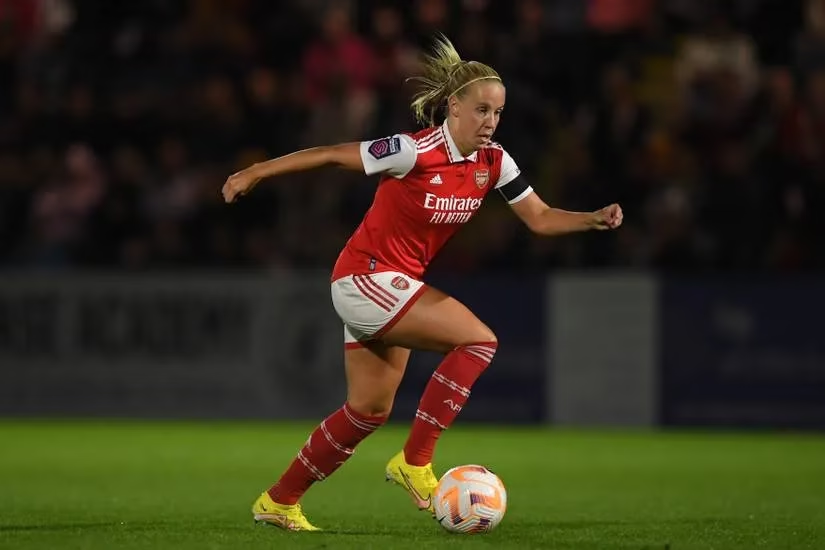
Yet the cover was never just a pat on the back. It was a crossover moment in a matchday artefact that fans buy, fold and keep. Putting Mead on the front of the men’s issue placed her story in front of an audience that might not otherwise pick up a women’s matchday read. You could almost hear the collective nod of approval from north London. And make no mistake, Mead was not a passenger in this story; her form made the selection impossible to ignore.
Why did it matter? Several reasons stand out:
-
It placed a women’s player inside a men’s matchday product, not in a separate supplement.
-
It rewarded form rather than reputation, with Mead’s goals making the cover a sporting argument as well as a symbolic one.
-
It connected Arsenal’s two senior teams under one north London derby banner.
-
It gave younger fans a visible female role model in an unexpected place.
Four years on, in 2026, the episode is useful because it shows how visibility works in practice. A club can talk about supporting the women’s team, but a programme cover is a concrete act. It says the women’s game belongs in the same commercial and cultural space as the men’s game. It also reminds us that progress often arrives in quiet, practical steps rather than one grand gesture. The 2022 cover did not solve every issue in football, but it did put a name and a face in a place where history had previously been male.
At the time, Arsenal’s men were also top of the Premier League, with six wins and one defeat. Tottenham, third, had the chance to overtake them with a victory. The women’s derby had already ended 4-0 in Arsenal’s favour, and the men’s programme leaned into that shared north London identity. It was a neat piece of timing: the same club, the same rivalry, two teams, one cover.
Since then, the conversation around women’s football has continued to shift. In 2026, the sport is covered more seriously, analysed more deeply and marketed more widely than it was when Mead’s face appeared on that programme. The historic first still matters because it captures a before-and-after moment. It is a collector’s item for some, a footnote for others, and a reminder that representation can be printed, folded and taken home. Mead, for her part, had already done the hard part on the pitch. The cover simply caught up with her.
Leave a Comment
Comments